
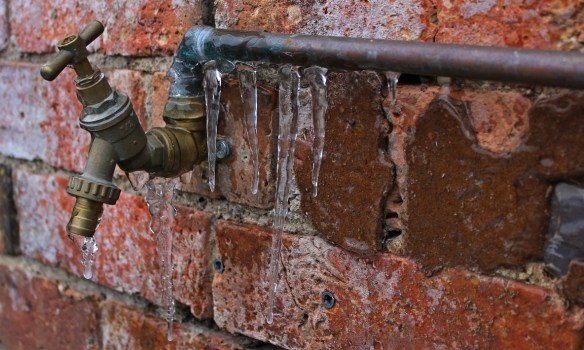
Frozen pipes

Image by G J Whitby from Pixabay

When temperatures stay below freezing, frozen pipes are one of the most common calls we get. If you’re reading this and are fortunate enough not to be dealing with this inconvenience, here are some ways to ensure it won’t happen to you:

Preventative Measures:

  • Disconnect and drain out your outdoor hoses
  • Winterize hose bibs and outdoor plumbing
  • Insulate pipes that are in cool areas and near outer walls
  • Seal gaps and cracks
  • Open cabinet doors to let warm air reach pipes under sinks on outer walls
  • Maintain a home temperature of at least 55* F (even when away)
  • In temps between 20* and 32* F -drip faucets
  • In temps below 20* F -run your cold water in a small but continuous stream, slightly less than the thickness of a pencil
  • Consider having a Smart Home Monitor installed (leak detectors or temperature monitors)

Alternate strategies for well owners:

  • Pay extra attention insulating and/or adding heat tape to vulnerable pipes
  • Use a slow drip, never a small stream, when temperatures are below freezing
  • Monitor any dripping, to ensure you do not run the well dry

ALREADY FROZEN? Here’s what to do…

If you are here because you suspect you have a frozen pipe there are a few steps you can take to get your water moving again – and possibly prevent a bigger problem.

Step 1: Open nearby faucets

Turn the faucets closest to the frozen pipe to the open position. This allows pressure to release and water to escape as the ice plug thaws.

Step 2: Turn up the heat

Focus on the area where the pipe has frozen. While we all try to keep heating bills low in winter, below-freezing temperatures can damage pipes and lead to costly repairs. So, don’t be shy – crank up the heat in the affected area to help thaw the pipe safely.

Step 3: Use focused heat if needed

Plumbers use a variety of tools to help thaw pipes, including space heaters, heat pads and even hair dryers. Which tool you use depends on the pipe’s location and accessibility. We always try to avoid opening up walls unless absolutely necessary to prevent expensive drywall repairs.

  • If the pipe is behind a wall, a space heater is usually the safest option.
  • If the pipe is accessible, you can use more direct heat, like a heat pad or hair dryer.

The goal is simple: increase the pipe’s temperature to melt the ice blockage inside. You’ll know it’s working when water starts flowing through the faucets again.

Step 4: Watch for burst pipes

Sometimes, even with precautions, ice expansion can cause a pipe to burst. You’ll know if this happened if you see or hear water spraying after the thaw. In this situation:

  • Turn off your main water shut-off valve immediately
  • Call a trusted plumber for a pipe repair – the sooner the better

Quick Tips

  • Never try to thaw a pipe with open flames
  • Keep faucets slightly open until the pipe is fully thawed
  • Early action can prevent major water damage and costly repairs
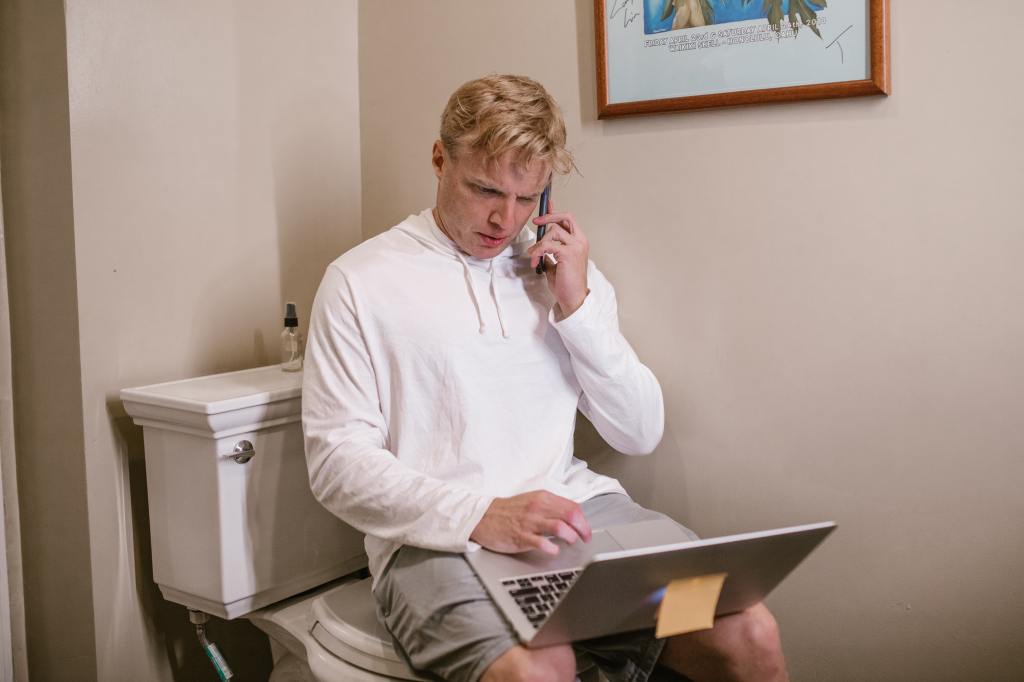
So you’d like an estimate over the phone…

You have a plumbing issue you see as an easy fix. Or maybe there’s a huge project that you’ve been wanting to get done. Or you have a plumbing emergency that needs someone there sooner, rather than later. While the ideal route most people take is to call a few plumbing companies and request over-the-phone estimates, this does not provide you with accurate quotes.

If you call a company and they tell you the cost of a project without getting eyes on it first, there may be additional charges added on later. The reason for this is the unforeseen challenges that often present themselves in plumbing repairs. Here are a couple examples of situations where a straightforward repair can turn into a more elaborate job:

*A toilet that keeps running:
A company that offers a phone estimate might tell you that it sounds like an issue with the flapper and they can come change it out for the charge of a minimum service fee.
Unknowns
Age of the toilet. Condition of surrounding components. Water pressure of the home.
-Is the flapper actually leaking or is it the flush tower gasket?
-Maybe the fill valve is not shutting off when the water reaches the correct height.
**In the end, the “flapper repair” may have actually been a toilet replacement

*A pinhole leak in a pipe:
A company that offers a phone estimate might tell you that it’s as simple as cutting out and replacing the compromised section. This would likely be quoted a straightforward copper repair charge.
Unknowns
Location of the leak. Type of piping. Condition of the surrounding pipes.
Is the leak caused by corrosion inside of the pipe, due to water with a low pH? If so, a repair can very likely cause additional leaks to appear along the line when water pressure is reintroduced after the initial repair.
**A simple copper repair could turn into a full system re-pipe.

Unfortunately, situations like these are where plumbers get that reputation of telling you one price and charging another. I have experienced so many different outcomes, in what seem like straightforward jobs, that it would be irresponsible of me to offer a quote without getting my eyes on the situation first.

I understand that customers don’t want to have to pay trip charges to three different companies, in order to shop prices. Sometimes those trip fees can add up to more than the project itself. While I currently do not charge a fee to come to look at the job and give a quote, larger companies generally do because, in the words of Dwight Schrute, “gas ain’t free” and they have to cover their cost of overhead. Oftentimes, these larger companies offer to apply a portion of the trip charge to your bill if you go with them for the repair, which can be helpful. But in the end, your best bet is to get a plumber to your home. If they look at the job and have an in depth explanation of what needs to be done, including the “what if’s” that are present you will be able to make a more educated decision on how you want to proceed without the risk of an unexpected bill.

3 Quick Tips from a Plumber (and his wife):

• Bleach is no good for cleaning your toilet tank

Bleach is a wonderful product that “germaphobes” like me take solace in using often. That being said, it does a number on the rubber components inside of your toilet (all the bits and pieces that keep the water from leaking onto your floor). I recommend using a gentle cleanser, like dish soap, or for a more natural approach, white vinegar. If you still want that “oh so fresh” smell in the bowl you could invest in a toilet that has a separate compartment in the tank (like Kohler’s Continuous Clean) or purchase a product that creates a similar compartment, as an add-on (like Fluidmaster’s Flush ‘n Sparkle system).

• Using “flushable wipes” never ends well for your plumbing

In my years of working as a plumber I have come across many clogged lines that are the result of flushable wipes. No matter what the marketing tells you, I can attest to the fact that they do not flush well! Whether you have a new house or something built in the 1920’s, they find a way to wreak havok. They DO NOT break down like toilet paper! Not only do they cause issues within the home’s sewage system, but I have personally seen these wipes create a clog large enough to back up sewage for an entire street. If you don’t believe me, check out this article from Today

• Don’t use a plunger to unclog a toilet!

All of the cartoons and entertainment stereotypes have brainwashed us to believe that a clogged toilet = plunger. Unfortunately, doing so can cause more harm than good.
Imagine you’re toilet filled to the brim with waste. The only thing preventing that murky water from seeping onto your floor is a small wax seal. When a plunger is used, pressure and suction can dislodge this wax seal, causing a leak that requires an unnecessary (and pricy) repair to fix. My go-to fix for when my children clog the toilet (using a whole roll of toilet paper) is the use of a Rigid Toilet Auger.