
Do you pee on your plumber?

Your plumber is downstairs, repairing a leaky waste pipe. You’ve made a point to use the sink and toilet ahead of time, so you don’t run water down the pipes. As you sip your morning beverage and catch up on some reading your bladder tells you you’re ready for another potty break. No big deal; you can use the toilet as long as you don’t flush…right?

Plumbers across the globe are peed on every day due to this common misconception.

While water and waste would absolutely rush through the pipes if a faucet were turned on or a toilet were flushed, a simple trip to the toilet with an innocent #1 can also cause a trickle down the pipes. The reason for this is displacement.
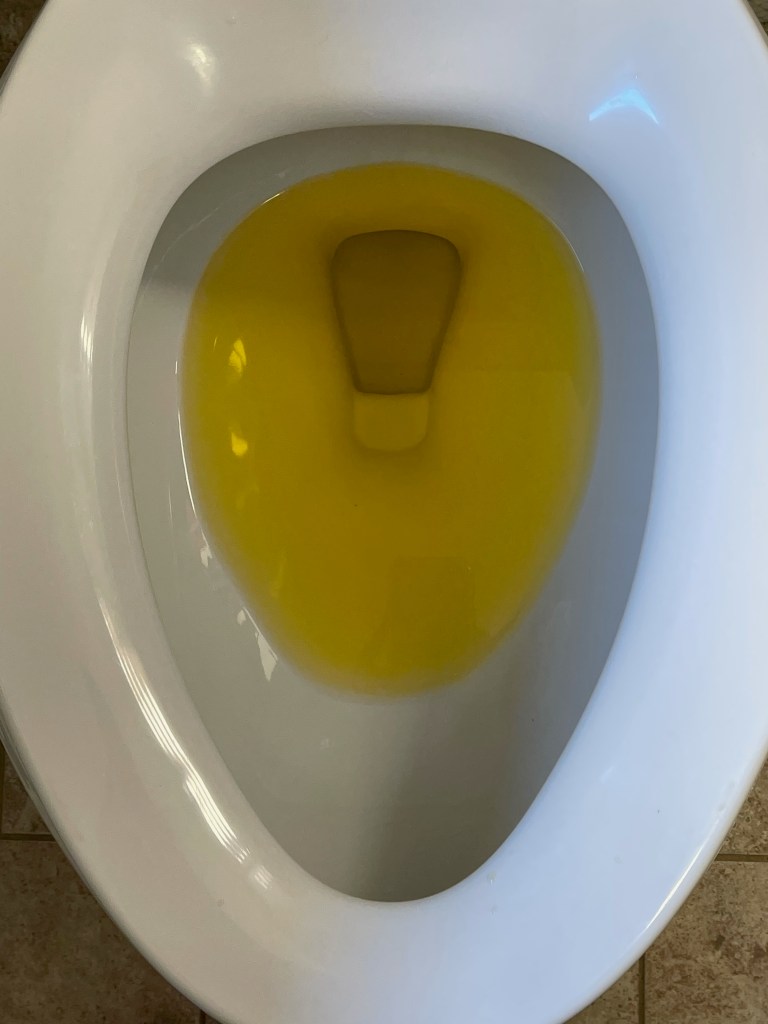
Your toilet is designed to keep the water level, in the bowl, constant. When added contents in the bowl cause the water to raise or lower, the toilet will naturally level it back out. In the case of a rise in water (due to the addition of urine), head pressure in the toilet causes a portion of the toilet water to displace down the drain.

So if your friendly neighborhood plumber is hard at work fixing your waste pipes, give them a holler, when you find yourself in this predicament, and they can simply step back and place a bucket under the pipe to avoid a smelly shower.

Why Should You Have Your Hot Water Heater’s Tank Flushed Regularly:

Over time minerals from your water begin to build up in the bottom of your hot water heater’s tank. This sediment is present whether you get your water from a municipal source or private well. These mineral deposits can lead to things like premature failure of electric heating elements and, in both electric and gas units, reduced heat transfer; which results in an increased usage of gas or electricity. One of the other unfortunate outcomes that can happen is that the tank itself can deteriorate from the inside. This isn’t something we can actually see due to heaters having something called a jacket on the outside. Under the jacket is a layer of insulation and under that is the actual tank, so getting eyes on potential leaks is almost impossible. Home owner associations (HOA’s) for connected structures, like condominiums and town houses, often require homes in their networks to change their heaters every tens years to avoid the structural damage that is caused by water heater failure.

The unit pictured here is an example of a failed electric water heater. It split open due to water being overheated, and expanding, which created excess pressure inside the tank. The sediment had built up around the base of the tank high enough that it impeded on the thermostat’s ability to register the correct temperature. Heaters are equipped with a T&P valve (temperature and pressure valve), to manage situations like this, but they can fail over time as well. If functioning, the valves are meant to release water when the temp or pressure becomes too great. Flushing a heater, and getting it inspected annually can help prevent situations like this from happening.

I recommend a hot water heater be flushed about once a year. This could be done by any licensed plumber. The plumber should also check the T&P valve to make sure it releases, the anode rod, for deterioration and make sure that the expansion tank is not water logged. For electrical heaters, checking the elements and thermostats is also beneficial.

3 Quick Tips from a Plumber (and his wife):

• Bleach is no good for cleaning your toilet tank

Bleach is a wonderful product that “germaphobes” like me take solace in using often. That being said, it does a number on the rubber components inside of your toilet (all the bits and pieces that keep the water from leaking onto your floor). I recommend using a gentle cleanser, like dish soap, or for a more natural approach, white vinegar. If you still want that “oh so fresh” smell in the bowl you could invest in a toilet that has a separate compartment in the tank (like Kohler’s Continuous Clean) or purchase a product that creates a similar compartment, as an add-on (like Fluidmaster’s Flush ‘n Sparkle system).

• Using “flushable wipes” never ends well for your plumbing

In my years of working as a plumber I have come across many clogged lines that are the result of flushable wipes. No matter what the marketing tells you, I can attest to the fact that they do not flush well! Whether you have a new house or something built in the 1920’s, they find a way to wreak havok. They DO NOT break down like toilet paper! Not only do they cause issues within the home’s sewage system, but I have personally seen these wipes create a clog large enough to back up sewage for an entire street. If you don’t believe me, check out this article from Today

• Don’t use a plunger to unclog a toilet!

All of the cartoons and entertainment stereotypes have brainwashed us to believe that a clogged toilet = plunger. Unfortunately, doing so can cause more harm than good.
Imagine you’re toilet filled to the brim with waste. The only thing preventing that murky water from seeping onto your floor is a small wax seal. When a plunger is used, pressure and suction can dislodge this wax seal, causing a leak that requires an unnecessary (and pricy) repair to fix. My go-to fix for when my children clog the toilet (using a whole roll of toilet paper) is the use of a Rigid Toilet Auger.